Social enterprise procurement delivering early impact on Logan and Gold Coast Faster Rail
Major infrastructure projects no longer focus only on what they build, such as new rail lines, upgraded stations and better connections.
Governments and communities also expect these projects to show how they deliver:
- broader benefits through local jobs
- stronger supply chains
- better outcomes for communities.
The Logan and Gold Coast Faster Rail project shows how procurement can create these benefits.
By setting clear social outcomes and local benefits requirements from the start, the project is creating opportunities for social enterprises to contribute to delivery while supporting jobs, training and community outcomes.
Opportunity
The Logan and Gold Coast Faster Rail project is a $5.75 billion investment from the Australian and Queensland governments.
The ActivUs Alliance is delivering the major rail works package in partnership with Queensland Rail and the Department of Transport and Main Roads. The alliance includes:
- CPB Contractors
- ACCIONA
- UGL
- SMEC
- WSP.
The project will:
- increase the number of rail tracks from 2 to 4 between Kuraby and Beenleigh
- upgrade stations
- remove 5 level crossings
- improve walking and cycling connections to stations
- increase rail network capacity
- reduce journey times between Brisbane and the Gold Coast.
During the tender process, ActivUs committed to a range of social outcomes and local benefits initiatives.
The Department of Transport and Main Roads included these commitments in the contract. This includes a target for spending with social enterprises.
The approach supports the Queensland Procurement Policy, which requires procurement to deliver value for money as well as broader economic, social and environmental outcomes.
On major projects, agencies and contractors can use procurement to support:
- local jobs
- training and skills development
- supplier diversity
- stronger community outcomes
- more resilient supply chains.
If agencies and contractors do not plan for these outcomes early, they can miss them. Major infrastructure projects often prioritise:
- cost
- programme pressures
- risk management
- established supplier relationships.
As a result, project teams can overlook social enterprises. This is not because they lack capability, but because:
- do not consider them early enough
- find onboarding too difficult
- default to traditional suppliers.
Solution
ActivUs took deliberate steps to include social enterprises in project delivery through:
- focusing on early works packages
- identifying where social enterprises could meet project needs
- creating tender opportunities for social benefit suppliers on suitable packages.
This approach helped ActivUs make strong progress towards its social enterprise spend target in the first year of delivery. It also created practical opportunities for social enterprises to join a major infrastructure supply chain.
yourtown Social Enterprise is one example.
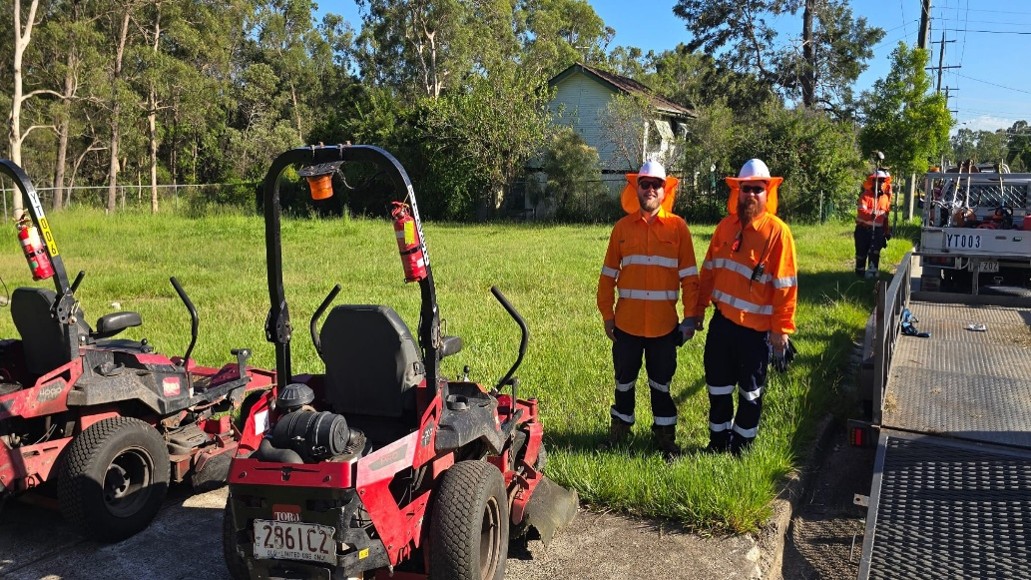
ActivUs invited yourtown to tender for 2 work packages to provide landscaping and building maintenance services on acquired properties along the project corridor.
yourtown won both tenders and secured its first work packages on a Tier 1 major project.
ActivUs also supported yourtown through onboarding. It:
- connected yourtown with package leads early
- helped the organisation adapt its systems and processes to meet the requirements of a large-scale infrastructure project.
Outcome
This approach is already delivering measurable benefits for workers, suppliers and communities.
Through the yourtown work packages:
- 22 young people who face barriers to employment are completing transitional training qualifications in carpentry and horticulture
- trainees are building experience in worksite expectations, safe work practices, quality assurance and compliance
- yourtown is building capability and experience in a major infrastructure supply chain.
This partnership has particular local significance because the project directly affects a yourtown property. ActivUs and yourtown have turned that project impact into a positive local outcome.
ActivUs has also engaged 5 other social enterprises to provide goods and services to the project. These partnerships are extending the project’s social and economic benefits through a broader network of purpose-driven suppliers.
These results show that social enterprises can:
- play a practical role in project delivery
- supply the goods and services that major contractors need while also creating broader community benefits.
When project teams intentionally include social enterprises in procurement, they can direct project spending towards people and communities who might otherwise miss out. They can:
- create jobs and training opportunities for young people who face barriers to employment
- strengthen pathways for Aboriginal and Torres Strait Islander businesses and workers
- support culturally and linguistically diverse communities
- improve opportunities for people affected by the justice system.
This approach also:
- strengthens the supplier market
- helps social enterprises build capability, credibility and a track record that can support future work across government and industry.
More information
To find out how your next procurement activity can support people from disadvantaged or marginalised backgrounds, or to learn more about procurement from social enterprises, email socialprocurement@hpw.qld.gov.au.